JDM Cars: Revolutionizing the Automotive Landscape
Introduction
Welcome to an in-depth exploration of a phenomenon that has captivated automotive enthusiasts worldwide – JDM (Japanese Domestic Market) cars. This unique segment of the automotive industry represents more than just vehicles; it is a cultural and technological marvel, influencing global motoring trends and fostering a dedicated community of fans. In this comprehensive article, we will unravel the intricate world of JDM cars, tracing their evolution, impact, and future trajectory. Prepare to embark on a journey through performance, innovation, and the enduring allure of these iconic machines.
Understanding JDM Cars: A Definition and Historical Context
Definition: JDM cars refer to automobiles designed and marketed specifically for the Japanese domestic market. This segment includes models developed, produced, and sold primarily in Japan, catering to the unique preferences and requirements of Japanese consumers.
Core Characteristics:
- Performance and Handling: JDM cars are renowned for their exceptional performance characteristics, often featuring powerful engines, advanced suspension systems, and precise handling dynamics.
- Aesthetics: Japanese automotive manufacturers have consistently pushed design boundaries, resulting in distinctive and eye-catching aesthetics that set JDM models apart from their international counterparts.
- Technology Integration: The industry's embrace of cutting-edge technology is evident in JDM cars, with innovative features like advanced safety systems, driver assistance, and infotainment becoming standard across various models.
Historical Evolution: The concept of JDM cars emerged post-World War II as Japan's automotive industry began to flourish. Japanese manufacturers focused on creating vehicles tailored to their domestic market, catering to a diverse range of consumer needs. Over time, these locally produced cars gained recognition for their quality, reliability, and innovative features, eventually capturing global attention.
In the 1980s and 1990s, JDM cars became synonymous with high-performance vehicles. Manufacturers like Toyota, Nissan, Mazda, and Subaru introduced models with powerful engines and agile handling, appealing to both everyday drivers and racing enthusiasts. This era set the stage for the global appreciation of JDM automotive culture.
Global Impact and Trends: A World-Wide Revolution
International Influence: The impact of JDM cars extends far beyond Japan's borders. Their influence can be observed in various regions, each embracing and adapting these iconic vehicles to suit local tastes and regulations.
- North America: Many JDM models have gained a dedicated following in the United States and Canada, with enthusiasts appreciating their unique performance characteristics and distinctive styling. Importing and modifying JDM cars have become a significant subculture within the automotive community.
- Europe: European drivers have also embraced JDM vehicles, particularly for their advanced technology and driving dynamics. Some manufacturers have even localized production to cater to the European market, ensuring compliance with regional standards.
- Asia: In countries like Australia and New Zealand, JDM cars are highly sought after due to their reliability, performance, and often lower prices compared to their local alternatives.
Trending Shifts: The global JDM car landscape is dynamic, driven by several key trends:
| Trend | Impact | Example |
|---|---|---|
| Electric Vehicle (EV) Revolution: Just as the world shifts towards electrification, JDM manufacturers are leading the charge with innovative EV models. Toyota's Prius and Nissan's Leaf are iconic examples, showcasing Japanese engineering prowess in the realm of sustainable mobility. | Increased focus on environmental sustainability and reduced emissions. | Growing adoption of electric and hybrid powertrains across various JDM segments. |
| Autonomous Driving Technologies: Japan has been at the forefront of developing autonomous driving systems. JDM cars are increasingly equipped with advanced driver assistance systems (ADAS), contributing to safer and more efficient driving experiences. | Enhanced safety and convenience for drivers. | Integration of features like adaptive cruise control, lane-keeping assist, and automatic emergency braking. |
| Customization and Modding: The customisation culture around JDM cars is thriving, with enthusiasts modifying vehicles to suit their personal tastes and performance requirements. This trend has led to the development of specialized parts and accessories. | Enables owners to express individuality and enhance vehicle performance. | Custom exhaust systems, suspension upgrades, and unique wheel designs are popular choices for modding. |
Economic Considerations: Market Dynamics and Impact
Market Analysis: The JDM car market is a significant contributor to the global automotive industry, with several factors driving its economic importance:
- Unique Selling Points (USPs): JDM cars offer distinct features that set them apart from competitors, attracting both local and international buyers. These USPs include performance, reliability, advanced technology, and often, affordable pricing.
- Global Demand: The global demand for JDM vehicles is substantial, with enthusiasts and collectors worldwide willing to pay premium prices for these iconic machines. This demand has created a thriving secondary market for imported and modified JDM cars.
- Local Production: Some manufacturers have strategically established local production facilities in various countries, enabling them to cater to regional preferences and reduce import duties. This approach has boosted the economic impact of JDM brands locally.
Economic Impact:
- Job Creation: The automotive industry, including JDM car manufacturing and related services, contributes significantly to employment generation, supporting local economies.
- Revenue Generation: Sales of JDM cars and associated parts/accessories generate substantial revenue for manufacturers and retailers, fostering economic growth.
- Export Potential: Japan's export of JDM vehicles has been a significant contributor to the country's trade balance, showcasing its automotive industry's global competitiveness.
Technological Advancements: Driving Innovation
JDM cars have consistently pushed the boundaries of automotive technology, setting new standards in performance, safety, and connectivity. Here are some notable technological advancements:
- Engine Technology: Japanese manufacturers have pioneered compact yet powerful engines, such as the renowned Toyota 1.5L Turbo engine, offering exceptional fuel efficiency without compromising performance.
- Hybrid and Electric Powertrains: As mentioned earlier, JDM brands are at the forefront of EV technology. Toyota's Prius hybrid has become an icon, demonstrating Japanese engineering's prowess in sustainable mobility.
- Safety Systems: Advanced driver assistance systems (ADAS) have become standard across many JDM models. Features like pre-collision warning, lane departure prevention, and blind-spot monitoring enhance safety and reduce accidents.
- Infotainment and Connectivity: Modern JDM cars are equipped with sophisticated infotainment systems, offering intuitive user interfaces, Apple CarPlay/Android Auto integration, and wireless charging, enhancing the in-car experience.
- Autonomous Driving Features: Japan's commitment to autonomous driving is evident in JDM vehicles, with models featuring advanced lane-keeping assist, adaptive cruise control, and automatic emergency braking systems.
Policy and Regulation: Navigating Legal Challenges
The development and sale of JDM cars are subject to various policies and regulations, ensuring consumer safety, environmental compliance, and fair competition. Here’s an overview:
- Emissions Standards: Japan has stringent emissions regulations, aligning with global efforts to reduce vehicle pollution. Manufacturers must adhere to these standards, driving the adoption of cleaner powertrains and technologies.
- Safety Regulations: The Japanese government imposes rigorous safety standards for all vehicles sold within the country. JDM manufacturers must ensure their cars meet or exceed these requirements, contributing to a safer motoring environment.
- Import/Export Policies: Importing and exporting JDM vehicles involves customs duties and compliance with local regulations. These policies can impact the market dynamics and accessibility of JDM cars in different regions.
- Automotive Industry Incentives: The Japanese government offers incentives to promote innovation and research in the automotive sector, fostering technological advancements in JDM car manufacturing.
Challenges and Criticisms: Overcoming Obstacles
Despite its many successes, the JDM car segment faces several challenges and criticisms that require careful consideration:
- Accessibility and Cost: One of the primary challenges is the availability and affordability of JDM cars, especially in regions with limited official imports. High import duties and complex regulatory processes can make these vehicles less accessible and more expensive.
- Local Availability of Parts: The lack of readily available genuine parts for older JDM models can be a significant issue for owners, impacting vehicle maintenance and repair costs.
- Environmental Concerns: While JDM cars have made strides in environmental sustainability, some critics argue that the industry could do more to reduce its carbon footprint, particularly regarding emissions from older models.
- Cultural Stereotypes: JDM cars are sometimes associated with aggressive driving styles, which can lead to negative stereotypes and regulatory responses that limit their appeal.
Proposed Solutions:
- Encourage official imports and streamline customs processes to enhance accessibility and reduce costs for consumers.
- Establish robust networks of specialized parts suppliers to address the issue of limited spare parts availability.
- Incentivize manufacturers to adopt more sustainable production methods and powertrains, further reducing environmental impact.
- Promote responsible driving culture through education and awareness campaigns, challenging stereotypes associated with JDM car ownership.
Case Studies: Real-World Success Stories
Case Study 1: Toyota Corolla (Global Icon)
The Toyota Corolla is a testament to the global appeal of JDM cars. Introduced in 1966, this compact sedan has evolved into a worldwide phenomenon, selling over 50 million units as of 2022. Its success lies in its exceptional reliability, fuel efficiency, and versatility. The Corolla has adapted to local markets, offering various engine options and features, solidifying its position as one of the best-selling cars globally.
Case Study 2: Subaru Impreza (Rally Racing Legacy)
Subaru's Impreza is a legendary JDM car with a rich history in rally racing. Introduced in 1970, it dominated the racing circuits, winning numerous World Rally Championship titles. This success led to its widespread popularity as a performance-oriented sedan and crossover SUV. The Impreza's all-wheel-drive system and agile handling made it a favorite among enthusiasts, ensuring its enduring legacy in the JDM landscape.
Case Study 3: Mazda MX-5 Miata (Two-Seater Icon)
The Mazda MX-5 Miata is a classic example of a JDM car that embodies the spirit of driving enjoyment. Introduced in 1989, it has become one of the most beloved two-seater sports cars globally. Its lightweight construction, balanced handling, and open-top design have captivated drivers worldwide. The MX-5's success lies in its ability to offer an engaging driving experience at an affordable price point.
Future Prospects: Emerging Trends and Strategic Considerations
The JDM car segment is poised for continued growth and evolution, driven by several emerging trends:
- Sustainable Mobility: As global sustainability goals gather momentum, JDM manufacturers will play a pivotal role in transitioning to electric and hybrid powertrains. The demand for eco-friendly vehicles is expected to rise, presenting an opportunity for JDM brands to strengthen their position in the market.
- Autonomous Vehicles: The future of motoring will increasingly involve autonomous driving capabilities. JDM carmakers can leverage their expertise in ADAS to develop advanced driverless systems, capturing a significant share of this emerging market.
- Connected Cars: The integration of advanced connectivity features in vehicles is gaining traction. JDM cars are well-positioned to embrace these technologies, offering drivers enhanced infotainment, navigation, and vehicle-to-vehicle communication experiences.
- Personalized Vehicles: Customization will remain a powerful trend, with owners seeking unique, personalized JDM cars. Manufacturers can tap into this desire by offering customizable options and limited-edition models.
Strategic Considerations:
- Global Partnerships: Collaborating with international manufacturers can help JDM brands expand their reach and gain access to new markets. Such partnerships can also facilitate the exchange of technology and expertise, driving innovation.
- Digital Transformation: Embracing digital technologies for design, manufacturing, and sales is crucial. JDM carmakers can leverage advanced simulation tools, 3D printing, and e-commerce platforms to enhance efficiency and customer engagement.
- Sustainability Initiatives: Investing in sustainable practices throughout the value chain will be essential. This includes reducing carbon emissions, implementing eco-friendly materials, and promoting recycling programs.
- Data Analytics: Utilizing data analytics to gain insights into consumer behavior and preferences can inform product development and marketing strategies.
Conclusion: Revolutionizing Automotive Landscapes
JDM cars have left an indelible mark on the global automotive industry, revolutionizing motoring experiences and fostering a dedicated community of enthusiasts. From their performance-focused origins to the cutting-edge technology they boast today, these vehicles continue to captivate drivers worldwide. As the industry navigates the challenges of sustainability, autonomous driving, and changing consumer preferences, JDM carmakers are poised to play a pivotal role in shaping the future of motoring.
FAQ Section: Addressing Common Queries
Q: What sets JDM cars apart from their international counterparts? A: JDM cars are designed and marketed for the Japanese domestic market, offering unique features tailored to Japanese preferences. They are renowned for exceptional performance, advanced technology, and distinctive styling, often at competitive prices.
Q: Are JDM cars difficult to import into my country? A: Importing JDM cars can involve certain challenges, including customs duties, regulatory compliance, and limited official distribution. However, dedicated importer/dealers or online platforms can facilitate the process, making it more accessible for enthusiasts.
Q: Which JDM car models are suitable for daily driving in different climates? A: Many JDM cars are versatile and suitable for various climates. Models with advanced heating/cooling systems and all-wheel drive, like Subaru's offerings or certain Mazda and Toyota models, excel in colder regions. For warmer climates, lightweight convertible options or models with efficient air conditioning can be ideal.
Q: How do I find genuine JDM car parts for my classic model? A: Locating genuine parts for older JDM cars can be challenging. Specialized online retailers, vintage car clubs, and dedicated forums can be valuable resources. Additionally, some manufacturers offer refurbished or remanufactured parts to ensure the longevity of their classic models.
Q: Are there any environmental concerns specific to JDM cars? A: Like any automotive segment, JDM cars face environmental challenges. However, Japanese manufacturers have made significant strides in reducing emissions and adopting sustainable practices. The industry continues to evolve, addressing these concerns through technological advancements and regulatory compliance.
Category: JDM Cars

Registering Your Car in California: Complete VIN Verification
Registering a car in California is a vital step for new owners, ensuring legal compliance and protecting their investment. However, navigating the process can be daunting, with numerous requirements a.......
Read more →

Registering Your Car: California VIN Verification Guide
Registering a car in California is more than just a bureaucratic formality; it's a crucial step for any vehicle owner, ensuring legal compliance and protecting your investment. However, navigating the.......
Read more →

Register Car California: DMV Vin Verifier Steps
Registering a car in California is a vital step for any new owner, ensuring legal compliance and seamless operation on the state's roads. However, navigating the process can be a challenge, with vario.......
Read more →
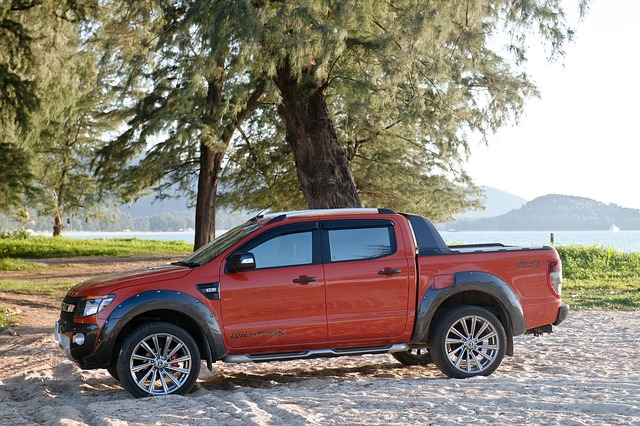
Registering Your Car in California: Step-by-Step Guide to DMV VIN Verification
Registering a car in California is a vital step for any new owner, ensuring legal compliance and ownership rights. However, navigating the process can be complex, especially with stringent regulations.......
Read more →

Register Car: Prepare, Verify VIN, Pay Fees in California
Registering a car in California is a crucial step for any new owner, ensuring legal compliance and facilitating smooth operation on state roads. However, navigating the process can be daunting, with i.......
Read more →

Register Car in CA: Step-by-Step with VIN Verifier
Registering a car in California is not just a bureaucratic formality—it's a crucial step ensuring your vehicle is legally recognized on the state's roads. However, navigating the process can be a ch.......
Read more →
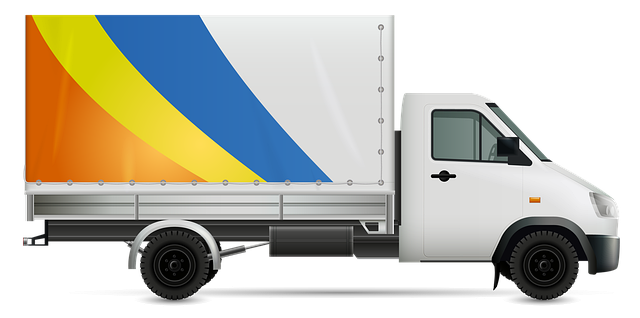
Registering Your Car: Prepare, Verify VIN with DMV
Registering a car in California is a vital step for any new owner, ensuring legal compliance and protecting your investment. However, navigating the process can be daunting, given the complex regulati.......
Read more →

Register Your Car: Step-by-Step California DMV Guide
Registering a car in California is a vital process ensuring vehicle ownership rights and road safety regulations. However, navigating the procedures can be daunting for new owners. This comprehensive.......
Read more →
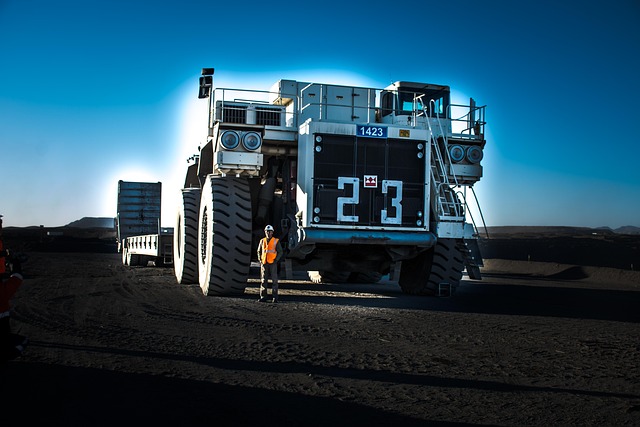
Register Car California: Use VIN Verifier Effortlessly
Registering a car in California is not just a bureaucratic formality; it's a critical step ensuring your vehicle is legally recognized on state roads. However, navigating the process can be daunting f.......
Read more →