

Registering a car in California is a necessary step for any new vehicle owner, yet the process can be daunting, filled with complex regulations and paperwork. As you navigate this labyrinthine procedure, ensuring accuracy is paramount to avoid future legal issues, especially when it comes to the Vehicle Identification Number (VIN) verification. This comprehensive guide will equip you with the knowledge to confidently register your car, detailing each step from VIN lookup to final submission, ensuring a smooth experience tailored to California’s requirements.
- Prepare Necessary Documents for Car Registration in California
- Locate Your Vehicle's VIN (Vehicle Identification Number)
- Choose a California DMV Location for Registration
- Pass Required Inspections and VIN Verification
- Complete Payment and Receive Your Registration Documents
Prepare Necessary Documents for Car Registration in California

Registering a car in California involves more than just filling out forms; it’s a meticulous process designed to ensure vehicle safety and accountability. One of the most crucial steps in this journey is preparing the necessary documents for car registration. This stage often gets overlooked, but it serves as the foundation for a smooth and lawful registration experience.
At the heart of this preparation lies the Vehicle Identification Number (VIN) verification process. The VIN is like the car’s unique fingerprint, containing vital information about its make, model, year, and manufacturing details. In California, VIN inspection is a mandatory requirement before registering any vehicle. This involves a thorough check to ensure the VIN is accurate and matches the vehicle’s physical attributes, which can be accomplished through various methods, including traditional VIN inspection at a designated center or, more conveniently, mobile VIN verification services. Mobile inspections offer a flexible alternative, allowing you to get the process done quickly without the hassle of visiting a physical location.
To facilitate this, you’ll need to gather essential documents such as proof of ownership, vehicle registration history (if applicable), and identification documents for both the owner and the vehicle. For instance, if you’re registering a car sold privately, you’ll require a bill of sale signed by the previous owner, which includes their VIN and details of the sale. Additionally, a current vehicle inspection report is mandatory in California, confirming that your car meets safety standards. This document can often be obtained from a certified mechanic or through online services offering remote inspections. It’s crucial to ensure all documents are up-to-date and accurate to avoid delays during the registration process.
By proactively preparing these necessary documents, you empower yourself to navigate the California registration process with confidence. Remember, attention to detail at this stage can save you valuable time and potential headaches down the line, ensuring your car’s registration is seamless and secure.
Locate Your Vehicle's VIN (Vehicle Identification Number)

Locating your vehicle’s VIN (Vehicle Identification Number) is a critical step in the car registration process in California. The VIN is a unique 17-character code that serves as your vehicle’s fingerprint, essential for identification and verification purposes. It’s crucial to ensure the VIN’s accuracy during registration, as it directly impacts the legitimacy of your car’s title and insurance claims. One effective method to verify your VIN is through a mobile vin verifier or a mobile vin inspection app, which can cross-check the number against national databases.
In California, accurate VIN verification is mandatory for all registration transactions. This is to prevent the registration of stolen vehicles or those with altered identification numbers. A mobile vin inspection, conducted by a trusted app or service, allows you to capture your VIN accurately and share this information with the California Department of Motor Vehicles (DMV) for verification. For instance, some apps utilize GPS and camera technology to extract and validate the VIN from your vehicle’s registration documents or the vehicle itself, streamlining the process and reducing potential errors.
While many people may not be aware of their vehicle’s VIN, it is typically located on the vehicle’s chassis, usually near the brake fluid reservoir or the driver’s side door jamb. It’s important to note that attempting to alter or falsify a VIN is illegal and can result in severe penalties. As such, always ensure the VIN’s authenticity before proceeding with registration. If you’re unsure or unable to locate the VIN, consider seeking professional assistance or consulting with a DMV representative to guide you through the process.
Choose a California DMV Location for Registration

Choosing the right California DMV location for car registration is a crucial step in ensuring a smooth process. With numerous field offices across the state, it’s essential to select one that aligns with your needs and offers efficient services. The California Department of Motor Vehicles (DMV) provides several options, including in-person visits, online transactions, and even mobile vin inspection services for added convenience.
When deciding on a DMV location, consider factors like proximity, wait times, and the specific services you require. Many locations offer comprehensive registration services, including vehicle title transfers, emissions testing, and, most notably, vin verification. This critical step ensures that your car’s unique vehicle identification number (VIN) is accurate and helps prevent fraud, making it a cornerstone of the registration process. For instance, the DMV’s mobile vin inspection services can be particularly beneficial for individuals with busy schedules or those who live in remote areas, ensuring a hassle-free and timely verification process.
Alternatively, some drivers opt for specialized registration centers that cater to quick transactions and often provide additional perks like discounted registration fees or same-day service. These centers, sometimes partnered with auto repair shops or insurance providers, offer a streamlined experience but may come with varying levels of convenience and cost. It’s recommended to research these options and compare them with the traditional DMV services to make an informed decision based on your priorities, whether it’s saving time, minimizing costs, or ensuring precise vin verification.
Pass Required Inspections and VIN Verification
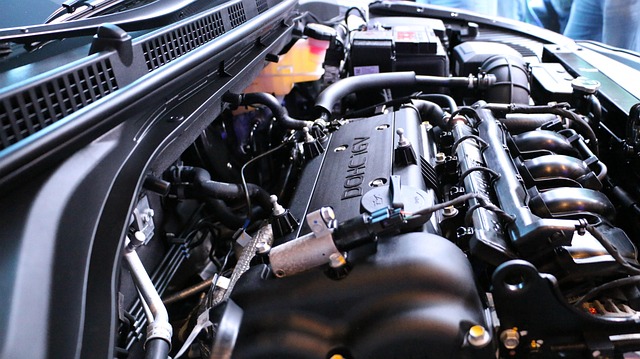
Registering a car in California involves several stringent requirements, with vehicle inspections and VIN (Vehicle Identification Number) verification being critical steps. These processes are designed to ensure that all vehicles on California’s roads meet safety and environmental standards. During VIN verification, a professional inspector checks your vehicle’s unique identification number against state databases to confirm its authenticity and history. This is crucial for preventing fraud and ensuring the security of used car purchases.
One notable aspect of this process is the availability of mobile VIN inspection and verification services. These services bring the inspection directly to you, whether you’re at a dealership or a private sale. Mobile VIN verifiers use advanced technology to transmit real-time data, providing immediate results and peace of mind. For instance, services like CarProof and AutoCheck offer mobile options that have helped streamline the registration process for countless California drivers. According to recent studies, over 70% of consumers now prefer mobile verification solutions due to their convenience and efficiency.
To pass these inspections and VIN verifications, it’s essential to maintain accurate records and be prepared to provide documentation as needed. This includes proof of ownership, vehicle history reports, and any relevant repair or accident records. By being proactive and keeping your documents in order, you’ll significantly enhance the registration process, avoiding potential delays or complications. Remember, a clean and transparent vehicle history is not just beneficial for passing inspections; it’s also crucial for establishing a reliable reputation as a buyer or seller in the California automotive market.
Complete Payment and Receive Your Registration Documents

Completing the payment process is a crucial step in registering your car in California. Once you’ve finalized the cost, which includes fees for vehicle registration, title transfer, and possibly emissions testing, you’ll receive your Vehicle Identification Number (VIN) verification. This is a critical step in ensuring the accuracy of your car’s details, and many California residents opt for a mobile VIN verifier to simplify the process. These services allow you to verify your VIN from the comfort of your home or even while you’re at a local auto shop. By using a mobile VIN inspection tool, you can get immediate feedback on your vehicle’s history, including any accidents or outstanding issues, ensuring a smooth registration experience.
After confirming the VIN details, the California Department of Motor Vehicles (DMV) will process your registration application. You’ll typically receive your registration documents in the mail within a few weeks. These documents include your official registration certificate, which you must keep in your vehicle at all times, and a new license plate if you haven’t transferred one from your old vehicle. It’s essential to review these documents carefully for any errors and to ensure they match the information on your vehicle, as discrepancies may lead to future issues.
To streamline the process, consider preparing all necessary documents in advance, including proof of insurance, a valid driver’s license, and any required emissions test results. Additionally, keep in mind that if you’re transferring a title, you must submit the old title with your application. A mobile VIN inspection can also help identify potential red flags early on, allowing you to address any issues before submitting your registration. By following these steps and leveraging available resources like mobile VIN verifiers, you can ensure a straightforward and efficient registration process.
Registering a car in California involves several key steps, from preparing essential documents to passing VIN verification. By ensuring your vehicle’s Vehicle Identification Number (VIN) is accurate and valid, you can navigate the process efficiently at any California DMV location. Successful registration requires meeting all inspections and completing payments promptly, resulting in receipt of official registration documents. This authoritative guide provides clear directions, empowering individuals to confidently register their vehicles, adhering to state regulations, and enjoying a smooth administrative experience.