

Registering a car in California is a vital process ensuring vehicle ownership rights, road safety, and compliance with state regulations. However, navigating the bureaucracy can be daunting for new owners. This article serves as your comprehensive guide, offering expert insights into every step of the registration process. We’ll demystify the procedures, emphasize the importance of accurate documentation, and highlight tools like the VIN verifier to ensure a seamless experience. By following these guidelines, California residents can confidently secure their vehicle’s registration, safeguarding their investment and simplifying future interactions with state authorities.
- Understand California Car Registration Requirements
- Gather Necessary Documents for Vehicle Registration
- Verify Vehicle Identity with VIN Verifier
- Choose a Suitable Registration Method in California
- Complete the Car Registration Process Effectively
Understand California Car Registration Requirements

Registering a car in California involves understanding specific requirements to ensure compliance with state laws. One crucial aspect is verifying the Vehicle Identification Number (VIN), which serves as a unique fingerprint for your vehicle. In California, this process often includes a VIN inspection or verification, ensuring the vehicle’s authenticity and history.
A key step for California residents is engaging professional services that offer mobile VIN inspection and verification. This approach saves time and effort by allowing the inspection to occur at your convenience, whether at home, work, or another location of your choice. Utilizing modern technology, these services can provide instant, accurate results, delivering the necessary documentation and peace of mind. For instance, many companies now offer remote VIN verifications using specialized software and hardware, enabling a comprehensive check against state databases.
Additionally, California’s Department of Motor Vehicles (DMV) has specific guidelines regarding acceptable forms of identification and documentation for registering a vehicle. It is essential to have all required papers ready, including proof of ownership, valid registration from another state (if applicable), and current insurance documents. The process may vary slightly depending on whether you’re registering a new or used car, so it’s advisable to consult the DMV’s official website or contact them directly for precise instructions tailored to your situation.
Gather Necessary Documents for Vehicle Registration

Before you can register your car in California, you’ll need to gather a crucial set of documents and conduct a critical step: verifying the Vehicle Identification Number (VIN). This process ensures accuracy and facilitates a seamless registration experience. Start by obtaining the vehicle’s title, which is typically provided by the previous owner or dealer. The VIN, a unique 17-character code, should be clearly visible on this document. Next, acquire the necessary forms from the California Department of Motor Vehicles (DMV), which include the Application for Title and Registration.
Additionally, many California residents opt for a mobile VIN inspection or verification service to streamline the initial steps. These services utilize advanced technology to accurately read and record the VIN during your convenience, eliminating potential errors or misreadings. Once you have these foundational elements, you’re ready to proceed with the registration process. Ensure that all information on the forms aligns precisely with the vehicle’s title and VIN details, as any discrepancies may delay or complicate registration.
Moreover, if you’re purchasing a used car, consider getting a professional inspection report to verify the vehicle’s history and identify any potential red flags. This step, coupled with a meticulous review of required documents, can help ensure a smooth and lawful registration process in California.
Verify Vehicle Identity with VIN Verifier
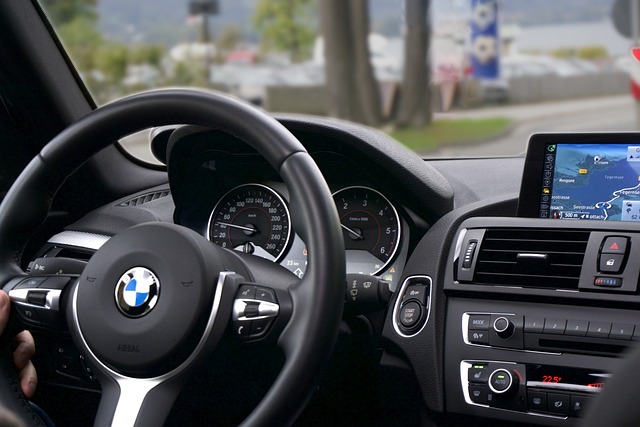
Verifying the vehicle’s identity is a critical step in the car registration process in California. One of the most effective methods is using a Vehicle Identification Number (VIN) verifier. This tool ensures the accuracy of your vehicle’s data by cross-referencing its unique VIN with state records. When you’re ready to register, many California Department of Motor Vehicles (DMV) offices now allow you to utilize a mobile VIN verification service. This convenient option involves a professional inspector who uses specialized equipment to confirm your car’s details, including its make, model, year, and even previous owners.
A mobile VIN inspection offers several advantages. It saves time by eliminating the need to visit a DMV office. Moreover, it provides peace of mind, ensuring your vehicle’s history is clear and accurate. For example, a recent study revealed that up to 10% of vehicles in California may have altered or falsified VINs, highlighting the importance of proper verification. Using a mobile VIN verifier can help prevent fraud and ensure you’re registering the right vehicle.
To initiate the process, locate a reputable mobile VIN verification service in your area. These services often have online platforms where you can schedule an inspection. During the inspection, the professional will examine your vehicle, record its details, and compare them with the manufacturer’s records and state databases. If everything aligns, your car is cleared for registration, making the entire process smoother and more efficient. Always ensure the verifier is certified and authorized by the DMV to guarantee the legitimacy of the service.
Choose a Suitable Registration Method in California

In California, registering your car involves a straightforward process, but choosing the right registration method is crucial. The state offers both in-person and online options, with an increasing emphasis on digital solutions like mobile VIN verifiers. These tools facilitate efficient vehicle identification through a quick and secure VIN inspection, saving time for both owners and licensing agencies.
One key decision point is whether to register your vehicle at a DMV office or utilize the convenience of a mobile VIN verifier. Online registration is generally faster and more accessible, especially with digital documents. However, in-person registration provides an opportunity for direct interaction with experts who can offer guidance tailored to your vehicle’s unique characteristics. For instance, some older vehicles may require specific historical data verification that’s best handled by a human expert.
Additionally, periodic VIN inspections are mandatory for all registered vehicles. A mobile VIN verifier is an ideal solution for these checks, as it allows for convenient and accurate identification at any time. This becomes especially relevant in cases where ownership changes hands or during routine maintenance visits. By leveraging these modern tools, California drivers can streamline the registration process while ensuring their vehicle’s compliance with state regulations.
Complete the Car Registration Process Effectively

Registering a car in California involves several steps to ensure your vehicle is legally recognized on the state’s roads. To complete the process effectively, start by gathering essential documents such as the Vehicle Identification Number (VIN) inspection report, which can be obtained through a reliable mobile VIN verifier. This step is crucial as it verifies the vehicle’s history and ensures there are no outstanding issues or recalls. Utilize a trusted mobile VIN verification service to access detailed information about your car’s previous ownership, maintenance records, and any potential red flags that could impact its registration.
Once you have confirmed the vehicle’s condition, proceed with the registration application at a California Department of Motor Vehicles (DMV) office. Bring along all necessary documents, including proof of insurance, owner’s identity, and payment for registration fees. Staff will inspect your car to ensure it meets safety and emission standards, utilizing advanced VIN inspection tools if needed. A mobile VIN verifier can play a vital role here by providing instant access to vehicle history, expediting the inspection process and potentially saving you time at the DMV.
After passing inspection, finalize the registration by completing the required forms and paying all applicable fees. The DMV will issue your vehicle’s registration certificate, which should be kept in your car at all times. Regularly updating your contact information with the DMV is essential to maintain accurate records. Additionally, consider using a mobile VIN verifier periodically to keep an eye on any changes or updates to your vehicle’s history, ensuring you remain compliant with California’s registration regulations.
By adhering to California’s specific car registration requirements, gathering essential documents, and utilizing a VIN verifier for vehicle identity verification, you can efficiently complete the registration process. Whether choosing online or in-person methods, understanding these key steps ensures a smooth experience. This authoritative guide provides valuable insights, empowering readers to navigate the process with confidence, resulting in a legally registered vehicle and enhanced peace of mind.