

Looking to register your car in California? This comprehensive guide walks you through the entire process, focusing on the crucial DMV VIN verification. From understanding the requirements to gathering essential documents and following a step-by-step approach, we’ve got you covered. Additionally, learn about common issues and valuable tips for a smooth registration experience. Master the art of car registration in California today!
- Understanding the DMV VIN Verification Process
- Gathering Required Documents for Car Registration
- Step-by-Step Guide to Registering Your Vehicle
- Common Issues and How to Resolve Them
- Important Tips for a Seamless Registration Experience
Understanding the DMV VIN Verification Process

When registering your car in California, understanding the DMV VIN verification process is crucial. The Department of Motor Vehicles (DMV) requires a vehicle identification number (VIN) inspection to ensure the authenticity and safety of your vehicle before issuing registration. This involves verifying key components like the engine, transmission, and chassis to match the information provided by the manufacturer.
The process typically includes taking your car to an approved DMV location or utilizing services like mobile VIN inspection or a vin inspector, where a trained professional will cross-reference the VIN with their database to confirm its integrity. A valid and accurate VIN ensures that your vehicle complies with all necessary safety standards, making it a key step in the registration process for any California driver.
Gathering Required Documents for Car Registration

Before you begin the registration process, make sure to gather all the necessary documents. The California Department of Motor Vehicles (DMV) requires specific papers for a successful car registration, ensuring that your vehicle is safe and legal on California’s roads. One crucial document is the Vehicle Identification Number (VIN) verification, which can be completed through a DMV-approved mobile vin verifier or inspection service. This step involves checking the VIN accuracy and ensuring it matches the vehicle’s characteristics, helping to deter fraud.
Additionally, you’ll need proof of ownership, typically a title document, as well as valid identification like a driver’s license or state ID card. Other required documents may include registration from the previous state (if applicable), insurance documentation, and possibly a safety inspection certificate. Having these in order will streamline the registration process at any California DMV office.
Step-by-Step Guide to Registering Your Vehicle

Registering a car in California involves several steps, but with proper preparation, it can be a straightforward process. Here’s a step-by-step guide to ensure everything runs smoothly. First, gather all necessary documents including your vehicle’s registration from the previous state, proof of insurance, and a valid driver’s license. Next, visit a California Department of Motor Vehicles (DMV) office or use their online services for a DMV vin verification. This step is crucial as it confirms your vehicle’s identity using its unique Vehicle Identification Number (VIN).
Once your VIN has been verified, you’ll need to present proof of ownership, which can be done through a bill of sale or a title transfer. If purchasing from a dealer, they typically handle this for you. After verifying your documents, the DMV will issue a California vehicle registration and license plate. For added convenience, consider using mobile vin verification or mobile vin inspection services to complete this process from the comfort of your home or even while on the road.
Common Issues and How to Resolve Them
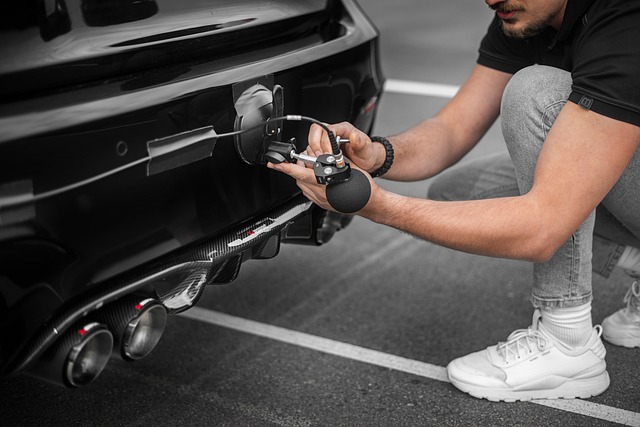
When registering your car in California, one of the most common issues is a failed DMV VIN verification. This can occur due to a variety of reasons, including incorrect or outdated vehicle information on file with the DMV. To resolve this, ensure all details about your car—from make and model to year and color—match precisely with the vehicle identification number (VIN). Double-checking these details before submission can prevent delays.
Another frequent problem is difficulty finding a mobile vin inspector or mobile vin verification service that works in California. This is understandable given the state’s strict regulations. To overcome this, consider using reputable online services that specialize in remote VIN inspections. These tools allow you to input your VIN and receive instant vehicle history reports, which can be submitted along with your registration application. Using a vin inspection done remotely not only saves time but also ensures accuracy in the verification process.
Important Tips for a Seamless Registration Experience

When navigating the process of car registration in California, there are several important tips to keep in mind for a seamless experience. First, ensure that all required documents are gathered before starting. This includes proof of ownership, vehicle identification number (VIN) inspection, and valid forms of identification for both you and the previous owner. A crucial step is the DMV VIN verification, which can be efficiently completed through a mobile vin verifier, saving time and effort.
Additionally, be prepared with your current registration and insurance information. Many California counties offer online registration services, making the process faster and more convenient. Remember, accurate and up-to-date documentation is key to avoiding delays. With these simple steps and potentially utilizing a mobile vin inspection tool, you’ll be well on your way to a smooth car registration experience.
Registering a car in California is a straightforward process, but understanding the DMV VIN verification step is key. By gathering all necessary documents and following our comprehensive guide, you’ll ensure a smooth registration experience. Remember to address any common issues promptly to avoid delays. With these tips in mind, you’re well-equipped to navigate the process effortlessly.