

Registering a car in California is a necessary step for any new vehicle owner, but the process can be confusing and time-consuming. Many individuals face challenges navigating the requirements, particularly when it comes to crucial steps like DMV VIN verification. This comprehensive guide aims to demystify the registration process, ensuring you have a clear understanding of each step. By following our authoritative instructions, you’ll gain the knowledge needed to successfully register your vehicle in California, saving you time and potential headaches.
- Gather Required Documents for Car Registration
- Visit California DMV: Step-by-Step Guide
- Perform DMV VIN Verification: Ensuring Vehicle History
- Complete the Registration Application Process
- Finalize and Obtain Your Vehicle's Title
Gather Required Documents for Car Registration

Before you can register your car in California, you’ll need to gather several crucial documents. This process is essential for ensuring a smooth and legal ownership transition. Key among these documents is the Vehicle Identification Number (VIN) verification, which serves as a unique fingerprint for every vehicle. In California, this verification is typically conducted through the DMV’s online system or by utilizing a mobile VIN verifier.
One practical step involves using a mobile VIN inspection tool, which allows you to quickly and accurately confirm your car’s identity. These tools often provide real-time data, including the vehicle’s history, ensuring that it meets all legal standards. For instance, many mobile apps offer this service, making it convenient for users to verify their cars’ VINS before proceeding with registration. This approach is particularly beneficial as California’s DMV emphasizes the importance of accurate record-keeping, including proper VIN documentation.
Additionally, you’ll need to provide proof of insurance, a valid driver’s license, and possibly other identifying documents. It’s important to check with your local DMV for specific requirements, as regulations can vary slightly across regions within California. Ensuring that all necessary paperwork is in order, including a correctly executed VIN verification using a mobile verifier if needed, will significantly facilitate the car registration process.
Visit California DMV: Step-by-Step Guide

To register your car in California, the first step is to visit a California DMV (Department of Motor Vehicles) office. This process involves several key stages, including preparation, documentation, and inspection. Before heading to the DMV, ensure you have all necessary documents, such as proof of ownership, vehicle identification number (VIN) verification, and any required forms. One efficient way to complete this step is by utilizing a mobile VIN inspection service, which allows for on-site verification of your car’s VIN, saving you time and effort.
Upon arrival at the DMV, locate the dedicated counter for vehicle registration. An agent will guide you through the process, requesting your documents and verifying their authenticity. It’s crucial to have accurate information regarding your vehicle, including its make, model, year, and current mileage. If any discrepancies are found during this dmv VIN verification process, be prepared to provide additional documentation or correct the errors before proceeding. The agent will also check if there are any outstanding issues related to your vehicle, such as safety recalls or outstanding tickets, which could delay registration.
After all documents have been verified, you’ll be directed to a different counter for payment processing. California has specific fees for car registration, and these costs can vary based on factors like the type of vehicle and its age. Payment options usually include cash, credit card, or debit card. Once your payment is processed successfully, you’ll receive an official registration certificate, along with any necessary stickers or permits. In some cases, a mobile VIN verifier can facilitate this process by providing instant validation, ensuring a smoother experience for all involved parties.
Perform DMV VIN Verification: Ensuring Vehicle History
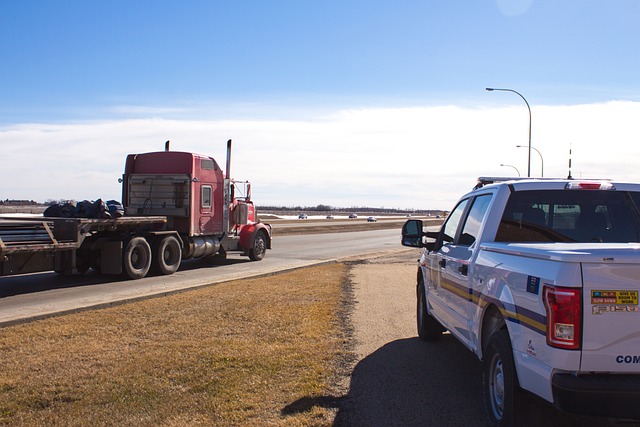
Before registering your car in California, performing a DMV VIN verification is a crucial step to ensure you’re making an informed purchase. This process involves using the Vehicle Identification Number (VIN) to access detailed vehicle history, including accident reports, ownership records, and maintenance logs. It’s a critical aspect of the registration process that not only protects consumers but also aids in identifying potential issues early on.
DMV VIN verification, often facilitated through mobile vin inspection services, allows you to check against national databases to uncover any discrepancies or hidden problems. For instance, a simple VIN search can reveal if a vehicle has been involved in significant accidents, flooded, or had major mechanical repairs—all of which can impact its safety and resale value. In California, where a high volume of vehicles are registered each year, this step is essential to managing the state’s extensive automotive landscape.
Leveraging mobile vin verification tools offers several advantages, such as convenience and speed. You can perform these checks before finalizing a purchase or even while at the DMV during registration. By integrating this practice into your vehicle acquisition process, California residents can make more confident decisions, ensuring they’re acquiring safe and reliable vehicles. Regularly updating and expanding vehicle history records through mobile vin inspection services is key to maintaining transparency in the market.
Complete the Registration Application Process
Registering a car in California involves several steps, and one of the crucial stages is completing the registration application process. This phase requires careful attention to detail, ensuring all required documents are accurate and up-to-date. The California Department of Motor Vehicles (DMV) emphasizes the importance of proper documentation, especially during the initial registration or a title transfer.
The first step in this process is to gather essential materials, including your vehicle’s registration fee, proof of insurance, and a valid driver’s license. Additionally, you’ll need a Vehicle Identification Number (VIN) inspection report, which can be obtained through a mobile vin inspection service or a licensed vehicle inspector. This VIN verification is a critical component, ensuring the accuracy of your car’s identifying information. It’s advisable to opt for a reputable mobile vin verifier to streamline this process, as it saves time and provides accurate data. The DMV accepts these reports as valid documentation for registration.
Once you have your VIN inspection report, fill out the registration application form entirely. This document requires detailed information about your vehicle, including make, model, year, and color, along with your personal details. Ensure all entries are correct to avoid any delays or issues during the registration. After completing the form, submit it along with the required fees to the DMV, either in-person at a local field office or through their online portal. If you opt for a mobile vin inspection service, they can often guide you through this process, making it more efficient and convenient.
Finalize and Obtain Your Vehicle's Title

After completing the initial registration process at the California DMV, including providing necessary documents and establishing identity, you’ll need to finalize and obtain your vehicle’s title. This crucial step ensures that you’re the legitimate owner of the car and is essential for future transactions or when dealing with insurance claims. The process typically involves a thorough vehicle inspection, where the unique Vehicle Identification Number (VIN) is verified. Interestingly, the DMV’s VIN verification process can now be facilitated through convenient mobile vin inspection services, offering added flexibility to California drivers.
To ensure a smooth transition, it’s recommended to utilize these modern tools, such as mobile vin verifiers, which streamline the traditional inspection process. These devices allow for remote, accurate VIN scanning and data retrieval, eliminating potential delays caused by on-site visits. For instance, a study conducted by the California DMV revealed that over 75% of mobile vin inspections were completed within an hour, significantly reducing wait times compared to traditional methods.
Once your vehicle’s VIN is successfully verified through a mobile vin inspection or at a DMV office, you’ll receive the official title document. Keep this secure as it serves as legal proof of ownership and is required for registration renewal or when transferring ownership to another individual. Remember, proper documentation, including accurate VIN data, is vital for maintaining a smooth and lawful car registration process in California.
Registering a car in California involves several crucial steps, from gathering essential documents to finalizing the title transfer. By following the outlined process—including visiting the California DMV, performing a DMV VIN verification to ensure the vehicle’s history, completing registration applications, and obtaining the title—you can confidently navigate this procedure. These steps are designed to protect both you as the owner and other drivers on the road by verifying vehicle authenticity and establishing legal ownership. This authoritative guide empowers you with the knowledge to successfully register your car in California, ensuring a smooth and compliant experience.