

Looking to register your car in California? Navigating the process can seem daunting, but with the right preparation, it’s straightforward. This guide breaks down the essential steps, from understanding key requirements like vehicle inspection and emission tests, to gathering vital documents including proof of insurance and ownership. We also emphasize the importance of using a VIN verifier to check your vehicle’s history for any potential issues. Let’s dive into how to ensure a smooth registration experience in California.
- Understand California Vehicle Registration Requirements
- Gather Necessary Documents for Car Registration
- Use VIN Verifier to Check Vehicle History
- Visit a California DMV Office or Complete Online Form
- Pay Registration Fees and Receive Your License Plate
Understand California Vehicle Registration Requirements

Before registering your vehicle in California, it’s crucial to understand the state’s specific requirements for vehicle identification number (VIN) verification and registration processes. The California Department of Motor Vehicles (DMV) mandates that all vehicles entering the state undergo a thorough inspection to ensure compliance with safety standards and emissions regulations.
One key aspect is the accurate and reliable VIN verifier. This unique identifier, known as the Vehicle Identification Number (VIN), contains valuable information about your car’s history and specifications. For a seamless registration process, consider utilizing mobile VIN verification or inspection services, which offer convenient and quick methods to validate your vehicle’s details before submitting your application at the DMV.
Gather Necessary Documents for Car Registration
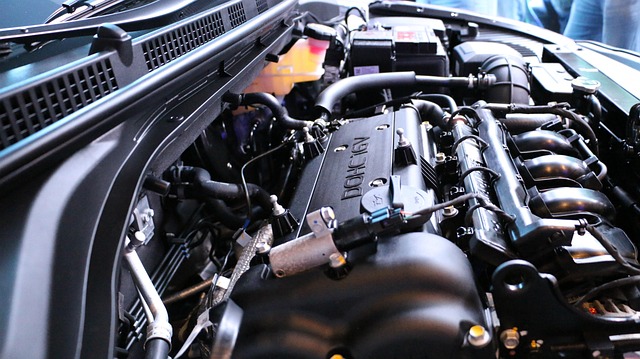
Before heading to the California Department of Motor Vehicles (DMV) to register your car, make sure you have all the required documents. One crucial document is the Vehicle Identification Number (VIN), which can be found on the vehicle’s registration certificate or on the label located on the driver’s side door frame. A VIN verifier, whether it’s a mobile vin inspection service or a traditional tool, will help ensure the number is accurate and matches the car you’re registering.
Additionally, gather other essential documents such as proof of insurance, your valid driver’s license, and proof of ownership, like a title or bill of sale. These documents play a vital role in the registration process, so double-check that everything is in order to avoid any delays at the DMV.
Use VIN Verifier to Check Vehicle History

Before you register your car in California, it’s crucial to know its history. One effective way to do this is by utilizing a VIN Verifier. This tool allows you to check the vehicle identification number (VIN) and gain access to detailed information about the car’s past. Many online services now offer mobile vin inspection and verification, making it more convenient than ever to ensure the vehicle isn’t stolen, has no outstanding loans or leases, and hasn’t been in any major accidents.
By employing a VIN verifier, whether it’s through an online service or a mobile vin verification app, you can rest assured that you’re making an informed decision when registering your car in California. This step is often overlooked but is essential to protect yourself from potential legal issues and financial surprises down the line.
Visit a California DMV Office or Complete Online Form

Visit a California DMV Office or Complete Online Form: If you’re looking to register your car in California, the first step is to gather all necessary documents and head to a local Department of Motor Vehicles (DMV) office. Alternatively, many services now offer the convenience of completing the registration process online. You’ll need to provide details like your vehicle’s make, model, year, and unique Vehicle Identification Number (VIN). A VIN verifier can be particularly useful at this stage, especially when considering a used car purchase, as it helps ensure the vehicle’s history is clear and accurate.
For a smoother experience, many people opt for a mobile vin inspection or online form completion. These options not only save time but also provide an efficient way to verify your car’s information before officially registering it in the Golden State.
Pay Registration Fees and Receive Your License Plate

After completing your vehicle’s registration application and gathering all necessary documents, it’s time to pay the registration fees. The cost will vary depending on your vehicle type and age. You can typically pay online or at a local DMV office. Once your payment is processed, you’ll receive your license plates. These plates are unique to your vehicle and feature a Vehicle Identification Number (VIN) that can be verified through a mobile VIN verification service or an inspection at a designated location.
Ensure your plates are correctly displayed on your vehicle as per California laws. The license plates serve not only as identification but also as a crucial safety measure, helping law enforcement officials quickly identify and locate registered vehicles in case of an emergency or traffic violation.
Registering a car in California is a straightforward process that requires understanding specific requirements, gathering essential documents, and ensuring your vehicle’s history is clean. Using a VIN verifier is a crucial step to check a vehicle’s past, offering peace of mind before committing to the registration. By visiting a DMV office or completing online forms, you can efficiently finalize the process. Remember to pay the required fees and obtain your license plate to legally operate your vehicle on California roads.