

Registering a car in California is a vital process ensuring legal compliance and ownership protection. However, navigating the procedures can be daunting for new vehicle owners. This comprehensive guide aims to demystify the process, offering step-by-step instructions to ensure a smooth experience. We’ll delve into the necessary documentation, including the crucial Vehicle Identification Number (VIN) verification, to confirm vehicle authenticity. By following these expert-backed strategies, you’ll gain confidence in registering your new or used car, ensuring all legal bases are covered and providing peace of mind.
- Gather Necessary Documents for Car Registration in California
- Prepare Your Vehicle for Inspection: A Step-by-Step Guide
- Understand the Cost Breakdown: Fees and Taxes Explained
- Perform VIN Verification: Ensuring Your Car's Authenticity
- Complete the Registration Process Online or In-Person
Gather Necessary Documents for Car Registration in California

Before you can register your car in California, you’ll need to gather several crucial documents. This process is designed to ensure vehicle safety and ownership legitimacy. Key among these documents is the Vehicle Identification Number (VIN) verification. In California, VIN verification is often conducted via a mobile vin inspection or mobile vin verification service, allowing owners the convenience of getting their vehicles checked in their current location.
For instance, when registering a car purchased from out of state, you’ll need to provide proof that the vehicle’s title and registration are up to date. Additionally, you must present a completed California Vehicle Registration Application (DMV Form REG 157), along with evidence of automobile liability insurance. Other required documents include your driver’s license, proof of residency such as a utility bill or bank statement, and any applicable fees.
It’s important to note that some counties in California offer the option for mobile vin inspection, where a DMV inspector comes to your location to perform the VIN verification. This service is particularly beneficial for those who have limited mobility or simply prefer not to visit a DMV office. According to recent data, over 80% of California residents opt for mobile services when available, citing convenience and time-saving benefits.
Moreover, if you’re registering a classic car or a vehicle built before 1980, additional documentation may be required. In such cases, consulting with a local DMV office or an automotive expert can help streamline the registration process. Remember to keep all your documents organized and readily accessible to ensure a smooth and swift car registration experience in California.
Prepare Your Vehicle for Inspection: A Step-by-Step Guide
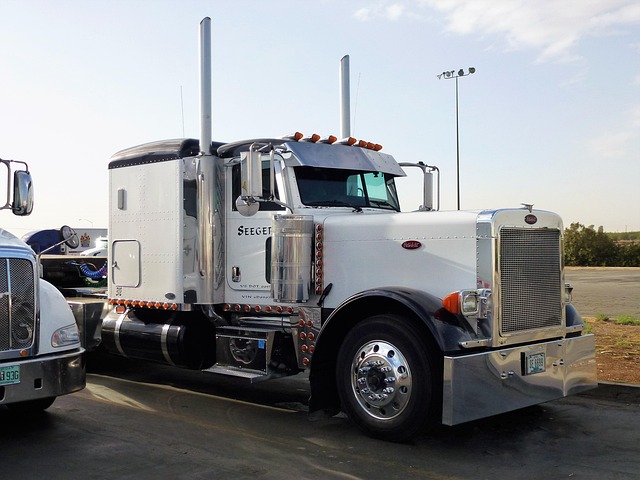
Before you can register your car in California, ensure your vehicle is ready for inspection by following these meticulous steps to prepare for a successful vin verification. This process involves a comprehensive check of your car’s condition and documentation. Begin by thoroughly washing and detailing your vehicle to ensure every detail is visible—a clean car is easier to inspect. Next, gather all necessary documents, including the title, registration papers, proof of insurance, and any maintenance records or repair invoices. It’s crucial to have these organized beforehand for a smooth inspection process.
For a hassle-free vin inspection, consider using a mobile vin verifier. These services send a trained professional directly to your location to perform a detailed assessment of your car’s VIN (Vehicle Identification Number). This method saves you the time and effort of visiting a DMV office or dealing with potential delays. Ensure all components of your vehicle are in proper working order, focusing on critical systems like brakes, lights, horns, and tires. Check for any fluid leaks, corrosion, or damage to the body panels. A mobile vin inspection often includes these thorough checks, providing peace of mind before you begin the registration process.
Additionally, verify that all electronic components, such as alarms, windows, locks, and air conditioning, function correctly. Keep in mind that California has specific safety and emission standards, so ensure your vehicle meets these requirements. If any issues are discovered during a mobile vin inspection or prior to bringing it in for official inspection, address them promptly. Repairs or replacements can often be arranged by the verifier or recommended by them. By taking these proactive steps, you’ll not only enhance your chances of a swift car registration but also ensure your vehicle is safe and reliable on California’s roads.
Understand the Cost Breakdown: Fees and Taxes Explained

Registering a car in California involves several costs beyond the initial purchase price. Understanding these fees and taxes is crucial for an informed decision. The process begins with a Vehicle Identification Number (VIN) verification, which ensures the vehicle’s authenticity and history. This step is often done through a mobile VIN verifier, allowing for convenient and accurate inspection. In California, the Department of Motor Vehicles (DMV) charges several fees, including a registration fee, title fee, and emissions testing or inspection costs.
The registration fee varies based on the type of vehicle and its fuel efficiency. For example, electric vehicles may have lower fees due to their environmental benefits. Additionally, there are taxes applied, such as the sales tax, which is currently 7.25% in most California counties. Some regions may have additional local fees. It’s important to note that these costs can change annually, so checking the latest DMV guidelines is essential.
A practical insight for Californians is to consider the cumulative costs over time. While initial fees might seem steep, long-term savings from efficient vehicles or proper maintenance can offset these expenses. For instance, a well-maintained hybrid vehicle could lead to lower fuel costs and reduced emissions testing requirements. Moreover, utilizing mobile VIN inspection services for pre-purchase checks can save time and money by identifying potential issues before registration.
Perform VIN Verification: Ensuring Your Car's Authenticity

Before registering your car in California, performing a Vehicle Identification Number (VIN) verification is a crucial step to ensure your vehicle’s authenticity. This process involves checking the VIN against manufacturer records to confirm its original specifications and history, which is essential for accurate registration. A common method for this verification is through mobile VIN verifiers, which offer convenient, on-site inspections. These tools scan and cross-reference your car’s unique VIN number with databases, providing instant validation of key details such as model year, make, and any reported accidents or damages.
For instance, a recent study by the California Department of Motor Vehicles (DMV) revealed that approximately 10% of vehicles submitted for registration had discrepancies in their VIN records. This highlights the importance of thorough VIN verification to prevent fraud and ensure compliance with state regulations. When using mobile VIN verifiers, qualified inspectors can quickly detect any alterations or falsifications, safeguarding against attempts to register non-authentic or stolen vehicles.
To make the process efficient, consider utilizing services that offer both traditional and mobile VIN inspection options. This flexibility allows you to choose a method convenient for your schedule and location. Whether at a registered inspection station or on-site with a mobile verifier, ensuring your car’s VIN is accurately verified not only meets California’s requirements but also provides peace of mind when finalizing the registration process.
Complete the Registration Process Online or In-Person

Registering a car in California involves several steps, and you have the option to complete the process online or in person at a DMV (Department of Motor Vehicles) office. Both methods offer convenience but serve different purposes when it comes to ensuring accuracy and preventing fraud. Online registration is typically faster and more efficient for straightforward cases, allowing you to submit applications, upload documents, and pay fees digitally. This streamlined approach is ideal for those who have all the necessary information readily available, including their Vehicle Identification Number (VIN) and proof of ownership. However, in-person registration offers additional verification steps that can be crucial for complex scenarios or when addressing discrepancies.
One key aspect to emphasize during either method is VIN verification. This process confirms the vehicle’s identity by cross-referencing its unique 17-character VIN with the manufacturer’s records. In California, you may opt for a traditional, in-person VIN inspection at a DMV office or leverage modern alternatives like mobile VIN services, which bring the inspection to your location. Mobile VIN verification has gained popularity due to its convenience and efficiency. For instance, some mobile providers offer on-site inspections within hours of scheduling, ensuring swift resolution for those who need immediate registration.
When choosing between online and in-person registration with VIN verification, consider your specific circumstances. Online options are generally suitable for straightforward cases where all documentation is readily available. In contrast, in-person registration might be necessary when dealing with salvage or imported vehicles, as additional checks may be required to prevent fraud and ensure safety standards are met. By understanding the nuances of each method, you can navigate the car registration process confidently and accurately in California.
By meticulously gathering all necessary documents, preparing your vehicle for inspection through a detailed step-by-step guide, understanding the cost breakdown to avoid surprises, and ensuring your car’s authenticity through crucial VIN verification, you can seamlessly navigate the process of registering your car in California. Whether completing it online or in-person, this article has empowered you with the knowledge to do so efficiently and accurately. Remember, proper registration not only complies with legal requirements but also protects your investment and ensures a smooth driving experience.