
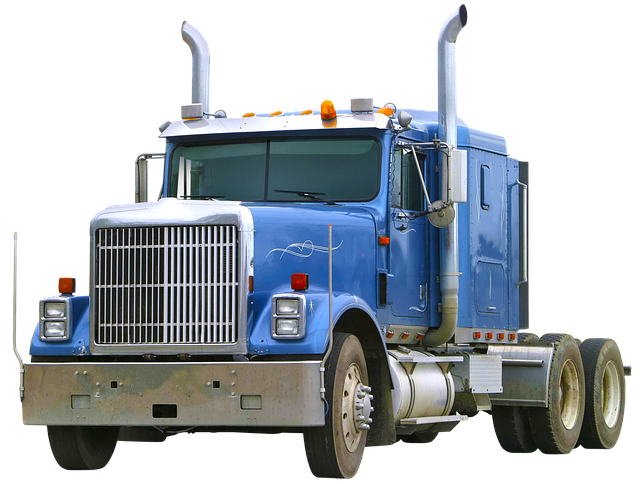
Looking to register your car in California? This comprehensive guide will walk you through the process step-by-step. First, understand the state’s unique registration requirements for both new and used vehicles. Then, gather essential documents for a smooth vin verification process—this includes proof of ownership and identification. After passing the VIN check, choose between completing the registration online or visiting a DMV office. Pay the necessary fees, receive your license plate, and hit the road!
- Understand California Car Registration Requirements
- Gather Necessary Documents for VIN Verification
- Perform Vehicle Identification Number (VIN) Check
- Complete Online Registration or Visit DMV
- Pay Registration Fees and Receive Your Plate
Understand California Car Registration Requirements

Before registering your car in California, it’s crucial to understand the state’s specific requirements for vehicle identification number (VIN) verification. The process begins with ensuring that your vehicle meets all necessary safety and emissions standards. California requires a comprehensive inspection to verify these specifications, which can be efficiently handled by utilizing mobile VIN inspection services.
These mobile VIN verifier options offer a convenient way to satisfy registration needs. A professional inspector can perform on-site VIN verification, assessing critical components such as lights, brakes, and emissions controls. This ensures your car complies with California’s regulations, streamlining the registration process.
Gather Necessary Documents for VIN Verification

Before registering your car in California, you’ll need to gather several crucial documents for VIN (Vehicle Identification Number) verification. This process ensures that your vehicle meets all legal standards and is safe for road use. First, obtain your vehicle’s registration certificate from the previous state where it was registered. This document is essential as it confirms ownership and provides vital details about the car. Additionally, gather your driver’s license or ID card, proof of insurance, and a valid California driver’s license if you’re transferring residency.
For convenience, many residents opt for a mobile VIN verification service. These companies offer on-demand inspections where a professional will come to your location to perform the VIN check using advanced scanning technology. Alternatively, you can visit a local car inspection station or DMV office for a standard vin inspection, ensuring that all documentation is accurate and up-to-date before proceeding with registration.
Perform Vehicle Identification Number (VIN) Check

Before you begin the registration process, it’s crucial to perform a Vehicle Identification Number (VIN) check. This step is essential for ensuring that your car’s history is clear and accurate. A VIN verification involves checking the unique 17-character code found on your vehicle’s identification plate or in its engine compartment. This number provides critical information about the car, including its make, model, year, and production location.
Using a reliable mobile vin verifier or conducting a vin inspection yourself is an effective way to gather this data. Many states require a VIN verification as part of the registration process. By having this information readily available, you can streamline the registration process and avoid any potential issues that may arise from discrepancies in vehicle history.
Complete Online Registration or Visit DMV
You have two main options for registering your car in California: complete the process online or visit a DMV office. If you’re tech-savvy and prefer a more efficient approach, opting for an online registration is ideal. The California Department of Motor Vehicles (DMV) offers an intuitive digital platform where you can enter your vehicle’s information, including its Vehicle Identification Number (VIN). This initiates a VIN verification process, ensuring the details match those on record with the manufacturer.
For those who prefer face-to-face interaction or have unique registration needs, visiting a DMV office is still an option. Here, a mobile vin inspection or a vin verifier can be employed to confirm your vehicle’s identity and history, streamlining the registration process significantly. Regardless of your chosen method, ensuring accurate information and proper documentation will ensure a smooth car registration experience in California.
Pay Registration Fees and Receive Your Plate

After you’ve completed the registration process and gathered all necessary documents, it’s time to pay the registration fees. These fees vary based on the type of vehicle and its age, so be sure to check the California Department of Motor Vehicles (DMV) website for up-to-date information. Payment can typically be made online or at a local DMV office using cash, debit, or credit cards. Once your payment is processed, you’ll receive your license plate assignment. In some cases, especially when dealing with specialized vehicles, a mobile vin verifier or mobile vin inspection service might be required to ensure the vehicle’s authenticity and condition before final registration.
Registering a car in California is a straightforward process that requires understanding specific state regulations and gathering essential documents. After completing the VIN verification, you can opt for online registration or visit a DMV office. Once approved, pay the registration fees, and you’ll receive your unique license plate, ensuring your vehicle complies with California’s legal requirements. Remember to keep your documentation up-to-date for smooth future interactions with the California Department of Motor Vehicles (DMV).