

Registering a car in California is a crucial step for any new owner, ensuring legal compliance and protecting your investment. However, navigating the process can be confusing, especially with varying requirements and regulations. This comprehensive guide aims to demystify the registration procedure, offering step-by-step insights tailored to California’s unique standards. We’ll delve into essential aspects like title transfer, emissions testing, and, notably, VIN verification – a critical component ensuring vehicle authenticity. By the end, you’ll possess the knowledge to efficiently register your vehicle, leaving no room for error.
- Prepare Necessary Documents for Car Registration
- Visit Your Local California Department of Motor Vehicles (DMV) Office
- Submit Your Vehicle's Information and Proof of Insurance
- Have Your Car's VIN Verified by the DMV
- Complete Payment and Receive Your Registration Documents
Prepare Necessary Documents for Car Registration

Before registering your car in California, ensure you have all the necessary documents ready. This process is crucial for a smooth transaction with the Department of Motor Vehicles (DMV). Key among these documents is the Vehicle Identification Number (VIN) verification, which establishes the vehicle’s authenticity and history. In California, this VIN verification can be conducted through a mobile vin inspection or by using a trusted mobile vin verifier. These methods ensure that your car’s information matches the records, protecting you from potential fraud.
For instance, when purchasing a used car, the seller should provide a valid VIN that aligns with the vehicle’s documentation. A mobile vin inspector can cross-reference this number against national databases to reveal the car’s previous owners, accident history, and any outstanding issues. This transparency is vital in a state like California, known for its stringent automotive regulations. It also helps in avoiding potential legal complications down the line.
In addition to the VIN verification, collect other essential documents such as proof of insurance, vehicle ownership transfer paperwork, and a valid driver’s license. Some counties in California may have specific additional requirements, so it’s advisable to check with your local DMV branch before heading to the office. By preparing these documents thoroughly, you’ll streamline the registration process, saving time and minimizing potential delays.
Visit Your Local California Department of Motor Vehicles (DMV) Office

To begin the process of registering your car in California, the first step is to visit your local California Department of Motor Vehicles (DMV) office. This physical interaction is a crucial part of ensuring that all documentation is accurate and that your vehicle complies with state regulations. Upon arrival, you’ll need to present specific documents, including proof of ownership, proof of insurance, and identification. The DMV staff will guide you through the necessary forms and ensure that your vehicle’s registration aligns with its Vehicle Identification Number (VIN).
One significant aspect of this process is VIN verification, which can be efficiently handled through on-site mobile VIN inspection services. These services allow for immediate validation of a vehicle’s history and specifications directly at the DMV office. For instance, many California DMV locations now offer mobile VIN verifiers that cross-reference the VIN with national databases to check for any outstanding issues, accidents, or recalls. This technology streamlines the registration process by eliminating potential delays caused by inaccurate or incomplete information.
If you’re unable to visit a physical location, consider leveraging mobile VIN verification tools. These apps and services enable users to input their VIN and receive detailed vehicle history reports remotely. However, for official registration, it’s still advisable to confirm the accuracy of the data with a staff member at a DMV office. This dual approach ensures that your car registration is not only completed promptly but also reflects the most current and reliable information.
Submit Your Vehicle's Information and Proof of Insurance
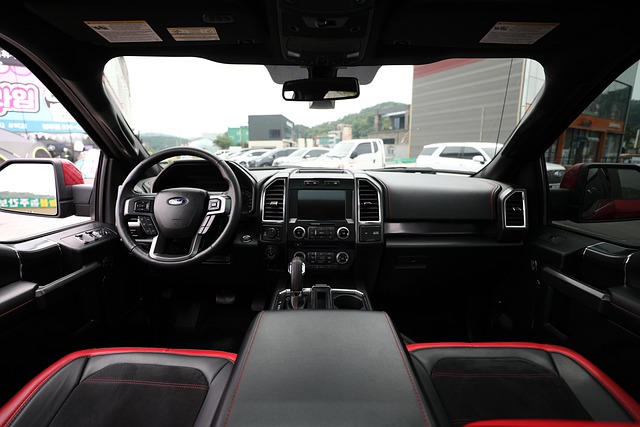
Registering a car in California involves several crucial steps, and submitting your vehicle’s information along with proof of insurance is one of the key processes. This stage demands meticulous attention to detail as it ensures your vehicle complies with state regulations. You’ll need to provide precise data about your car or truck, including its make, model, year, and unique Vehicle Identification Number (VIN). The VIN is a 17-character code that serves as a fingerprint for your vehicle, enabling authorities to verify its history during the registration process. A mobile VIN verifier or mobile VIN verification service can greatly assist in this task, allowing you to quickly and accurately capture and confirm your vehicle’s identification data.
When submitting your vehicle information, ensure accuracy to avoid delays or issues. This includes entering the correct make, model, and year, as well as matching the VIN with the title and registration documents. California’s Department of Motor Vehicles (DMV) requires up-to-date and legitimate details for successful processing. Along with the accurate vehicle data, you’ll need to provide proof of insurance. This demonstrates your financial responsibility in case of accidents or damages. Keep in mind that specific requirements may vary based on your vehicle type, so double-check the DMV’s guidelines for accurate and complete documentation.
A mobile VIN inspection service can play a vital role here by assisting in the verification process right from your location. These services use advanced technology to perform real-time VIN verifications, ensuring the data’s integrity and accuracy. This streamlined approach benefits both you as a consumer and the registration agency by simplifying the submission process and reducing potential errors or delays. By combining meticulous record-keeping with modern tools like mobile VIN verifiers, you can navigate the registration process with confidence, ensuring your vehicle complies with California’s stringent regulations.
Have Your Car's VIN Verified by the DMV
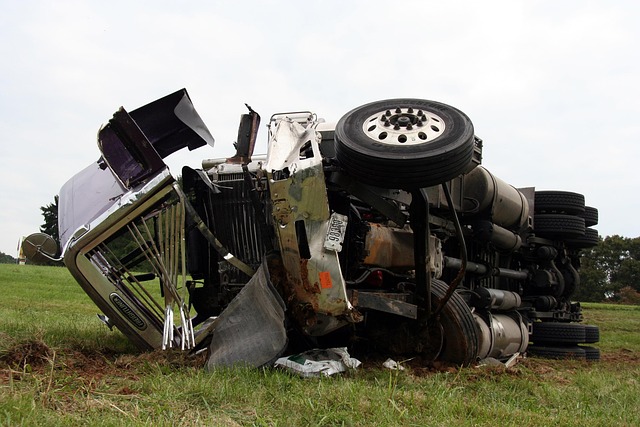
Registering a car in California involves several crucial steps, and one of the most critical processes is ensuring your vehicle’s Vehicle Identification Number (VIN) verification by the Department of Motor Vehicles (DMV). This step is vital to establishing ownership and ensures that your vehicle meets all legal requirements for roadworthiness. The DMV offers various methods to verify a VIN, including traditional inspections at designated offices and increasingly popular mobile vin inspection services.
Mobile vin verification has gained significant traction in recent years due to its convenience and efficiency. A mobile vin verifier can provide on-site, real-time results, eliminating the need for back-and-forth trips between your location and the DMV. This service is particularly beneficial for busy individuals or those with limited mobility. For instance, a mobile vin inspection can quickly confirm if a vehicle’s VIN matches its documented records, ensuring that no discrepancies exist before completing the registration process.
When utilizing a mobile vin verification service, it’s essential to engage reputable providers who maintain secure data systems and adhere to strict privacy guidelines. These verifiers typically use advanced technology to cross-reference your car’s VIN with state databases, offering instant validation. For example, California’s DMV provides an online tool that allows users to check vehicle history using a VIN, which can be readily verified by a mobile service. By combining the convenience of mobile inspections with accurate vin verification, Californians can streamline their car registration experience while maintaining peace of mind regarding their vehicle’s legal status.
Complete Payment and Receive Your Registration Documents
To complete the registration process for your vehicle in California, you’ll need to make the final payment and receive your registration documents. This involves a crucial step of verifying the Vehicle Identification Number (VIN) to ensure the car’s authenticity and history. Many residents opt for a convenient solution—a mobile VIN verifier—to streamline this task, allowing them to complete their registration smoothly.
When registering your vehicle, you’ll typically pay the registration fee along with any applicable taxes. California offers several payment methods, including cash, credit card, or check. It’s advisable to confirm the accepted forms of payment in advance by visiting the California Department of Motor Vehicles (DMV) website or contacting a local DMV office. Once the payment is processed, you’ll receive a temporary registration permit, which will be valid for a specified period, usually 30 days. This permit allows you to operate your vehicle legally while awaiting your official registration documents.
After finalizing the payment, the DMV will conduct a VIN inspection to ensure the vehicle’s integrity and identify any potential issues. A mobile VIN verification service can expedite this process by providing on-site inspections, saving you time and effort. These services utilize advanced technology to cross-reference your vehicle’s VIN with national databases, offering a swift and accurate report. By ensuring your car’s VIN is valid and unaltered, this step safeguards against fraud and ensures a seamless registration experience for California residents.
Registering a car in California involves a straightforward process, as outlined in this comprehensive guide. Key takeaways include preparing essential documents, visiting the local DMV, submitting vehicle information and proof of insurance, ensuring accurate Vehicle Identification Number (VIN) verification, and completing payment. By diligently following these steps, individuals can efficiently navigate the registration process, underscoring the importance of proper documentation and VIN verification. This authoritative article equips readers with the knowledge to successfully register their vehicles in California, ensuring a smooth and legally compliant ownership experience.