

Registering a car in California is a vital step for any new vehicle owner, ensuring legal compliance and facilitating seamless road usage. However, navigating the process can be daunting, given the various requirements and regulations. This comprehensive guide aims to demystify the car registration procedure, with a particular focus on the crucial DMV VIN verification process. By following these detailed steps, you’ll ensure a smooth and stress-free experience, empowering you to confidently navigate California’s registration requirements.
- Prepare Necessary Documents for Car Registration
- Visit California DMV: Step-by-Step Guide
- Understand Vehicle Identification Number (VIN) Verification
- Pay Registration Fees and Taxes Online or In-Person
- Ensure Auto Insurance Coverage Before Registration
Prepare Necessary Documents for Car Registration

Before you can register your car in California, it’s crucial to prepare all the necessary documents, ensuring a smooth and efficient process. Central to this preparation is the DMV VIN verification, which serves as a critical step in confirming vehicle identity and history. This involves providing the unique Vehicle Identification Number (VIN) of your car during the registration application at the Department of Motor Vehicles (DMV).
For many California residents, especially those with modern vehicles, this process has been streamlined through mobile VIN verification services. These apps or online platforms allow you to securely transmit your vehicle’s VIN to a DMV representative for instant validation. This method not only saves time but also enhances accuracy by reducing human error during manual data entry. For instance, some services offer real-time updates on the vehicle’s history, including accident reports, odometer readings, and previous ownership details, ensuring transparency throughout the registration process.
However, it’s important to remember that not all vehicles can be registered online via mobile VIN inspection. Classic cars or those with specialized modifications may require additional paperwork or in-person inspections. In such cases, it’s advisable to contact your local DMV branch for specific guidelines. They can provide insights into any extra steps needed for a successful registration, ensuring your vehicle complies with California’s strict standards. Regularly updating your vehicle information, whether through mobile verification or traditional methods, is essential for maintaining accurate records and avoiding potential future issues.
Visit California DMV: Step-by-Step Guide
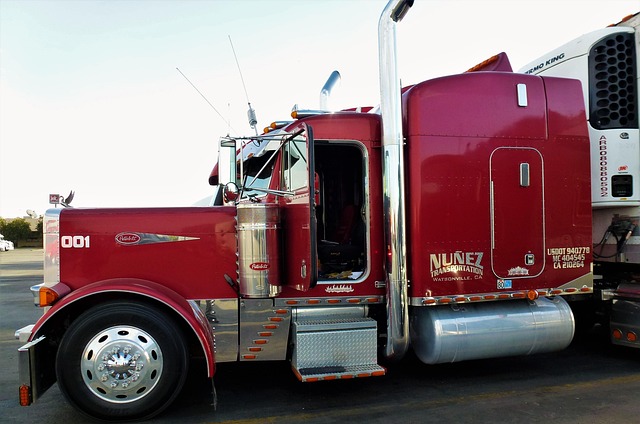
Registering a car in California involves several steps, but visiting the California Department of Motor Vehicles (DMV) is a crucial one. This guide will walk you through the process step-by-step, ensuring a smooth and efficient experience. Begin by gathering all necessary documents, such as proof of ownership, vehicle registration from the previous state, insurance information, and identification with a current address. Once prepared, head to your nearest DMV office or consider utilizing their online services for certain transactions.
Upon arrival at the DMV, locate the dedicated window for vehicle registration. An agent will assist you in completing the application form, where you’ll provide details about your car, including its make, model, and year. A key aspect of this process is the DMV VIN verification, ensuring the Vehicle Identification Number (VIN) matches the data on record. This can be done easily through their mobile vin verification tools or by presenting a valid vin inspection certificate from an authorized source. The agent will also check your identity and residency to ensure compliance with state regulations.
If you opt for mobile vin verification, many apps and services offer this feature, allowing you to complete the VIN inspection 1-2 times outside of the DMV. This method streamlines the process, saving time and effort. Once all verifications are approved, the DMV will issue your new California vehicle registration, and you’ll be officially registered to drive on state roads. Always refer to the DMV’s official website or contact them directly for specific requirements and any updates to their procedures.
Understand Vehicle Identification Number (VIN) Verification

Registering a car in California involves several crucial steps, and one of the most critical aspects is ensuring accurate Vehicle Identification Number (VIN) verification. The VIN is a unique code that identifies your vehicle, akin to its fingerprint. It’s essential for proper registration and ensures the authenticity of your car. When you visit the California Department of Motor Vehicles (DMV), they conduct a VIN inspection to verify the vehicle’s history, make, model, and year. This process plays a vital role in preventing fraud and ensuring road safety.
For instance, mobile VIN inspection services have become increasingly popular in California. These services allow drivers to obtain immediate VIN verification without visiting a DMV office. A trained professional uses specialized equipment to scan the VIN from your vehicle’s registration documents or plate, cross-referencing it with national databases to gather crucial information. This modern approach streamlines the registration process, especially for those who may have trouble transporting their vehicles to a fixed inspection site. According to recent statistics, mobile VIN verification has reduced registration wait times by up to 40% in some California regions.
During the DMV vin verification process, you’ll be asked to provide various documents, including proof of ownership and insurance. The inspector will also check for any outstanding warrants or issues related to the vehicle’s history. It’s advisable to double-check your documentation before heading to the DMV. For example, ensuring that your title is up to date and accurately reflects the vehicle’s current owner can expedite the verification process. Proper VIN inspection not only ensures a smooth registration but also highlights potential issues, allowing you to address them promptly.
Pay Registration Fees and Taxes Online or In-Person

Registering a car in California involves several crucial steps, one of which is paying the registration fees and taxes. This can be done either online or in-person at a DMV office, offering flexibility to suit different preferences. Online payments have gained significant popularity due to their convenience and efficiency. You can initiate the process by visiting the California DMV website, where you’ll find a user-friendly interface for vehicle registration. Here, you’ll input your vehicle’s details, including its Vehicle Identification Number (VIN), which is a unique code that identifies specific characteristics of your car, allowing for accurate dmv vin verification.
For those who prefer or require an in-person approach, California DMV offices provide dedicated services for registration. Staff are equipped to assist with any questions and ensure the accuracy of your information during the registration process. In some cases, mobile vin inspection and verification services are available, offering convenience to individuals who may have limited mobility or are located in remote areas. These mobile vin verifiers utilize advanced technology to perform a comprehensive check on your vehicle’s history and details, providing peace of mind before finalizing the registration.
It’s essential to ensure all fees and taxes are accurately calculated and paid to avoid any penalties. The California DMV offers detailed breakdowns of these costs on its website, making it easy to understand what you owe. For instance, fees can vary based on vehicle type, age, and emissions standards. Some vehicles might qualify for reduced rates or exemptions, so it’s advisable to check these criteria before proceeding with the registration. By adhering to the prescribed methods of paying registration fees and taxes—whether online or in-person—you’ll ensure a smooth process during your car’s registration in California.
Ensure Auto Insurance Coverage Before Registration

Before registering your vehicle in California, ensuring proper auto insurance coverage is a crucial step that often goes overlooked. The state law mandates that all vehicles operated on public roads must be insured, and proof of this coverage is required during registration. Failure to demonstrate adequate insurance can result in delays or even rejection of your registration application.
California’s Department of Motor Vehicles (DMV) requires specific minimum liability limits for auto insurance: $15,000 for bodily injury liability per person, $30,000 per accident, and $5,000 for property damage liability. It is essential to carry insurance that meets or exceeds these minimums to comply with state regulations. You can purchase insurance from any licensed carrier, and many options are available, including comprehensive and collision coverage, which protect against various risks beyond the basic legal requirements.
To streamline the registration process, consider utilizing mobile VIN inspection services. These services allow you to verify your vehicle’s identity and insurance compatibility remotely. A mobile VIN verifier can check the Vehicle Identification Number (VIN) of your car against the DMV database to ensure it matches the insured vehicle on your policy. This is particularly useful if you’ve recently purchased a used car, as it confirms that the title and insurance are in order before registering the vehicle with the state. Examples of reputable mobile vin inspection apps include [insert relevant examples], offering convenient, instant access to critical vehicle information.
Registering a car in California involves a series of straightforward yet crucial steps outlined in this comprehensive guide. Key takeaways include preparing essential documents, understanding the importance of Vehicle Identification Number (DMV VIN verification), paying registration fees, ensuring auto insurance coverage, and following a step-by-step process at the California DMV. By meticulously gathering documents, verifying your vehicle’s VIN, and adhering to fee requirements, you can efficiently complete the registration process. Additionally, prioritizing auto insurance before registration is paramount for legal compliance and financial protection. This guide equips readers with the knowledge and practical steps necessary to navigate the car registration process in California with confidence and authority.